

 0
0
 0
0
The Allure of Gambling: Understanding Motivation
The thrill of gambling is often rooted in psychology, with various factors influencing why individuals feel drawn to casinos. A significant motivator is the excitement associated with risk-taking, and those who enjoy online pokies real money often experience an adrenaline rush when placing bets, which can create a pleasurable feeling that draws them back for more. This rush can be related to a phenomenon known as reinforcement, where the anticipation of winning outweighs the fear of losing, compelling individuals to engage in gambling activities despite the odds being against them.
Additionally, social factors play a critical role in the appeal of gambling. Casinos are social environments that offer opportunities for interaction and bonding among players. For many, the camaraderie experienced at a gaming table or while enjoying a slot machine can enhance the overall experience. The social aspect can also diminish the perception of risk, as players are more likely to gamble when they see others doing so, creating a communal atmosphere that fosters participation.
Lastly, personal factors such as self-esteem and escapism heavily influence gambling behavior. Individuals may turn to casinos as a means of coping with stress or as an escape from reality. The idea that one could turn a small investment into a significant financial win can bolster self-confidence and provide a temporary reprieve from everyday challenges. This mindset often leads gamblers to overlook potential negative consequences in favor of the prospect of instant gratification.
The Role of Cognitive Biases in Gambling
Cognitive biases significantly shape the gambling experience by influencing how individuals perceive risks and rewards. One prevalent bias is the illusion of control, where gamblers believe they can influence outcomes based on their skills or strategies. This belief can be particularly strong in games that involve an element of skill, such as poker or blackjack, leading players to take greater risks under the misconception that their decisions can lead to favorable outcomes.
The gambler’s fallacy is another cognitive bias that frequently impacts decisions. This false belief suggests that past outcomes affect future results in random events, leading players to alter their strategies based on previous wins or losses. For example, if a player observes that a particular number has not appeared on a roulette wheel for some time, they may believe it is „due” to hit soon, encouraging them to place larger bets based on flawed reasoning.
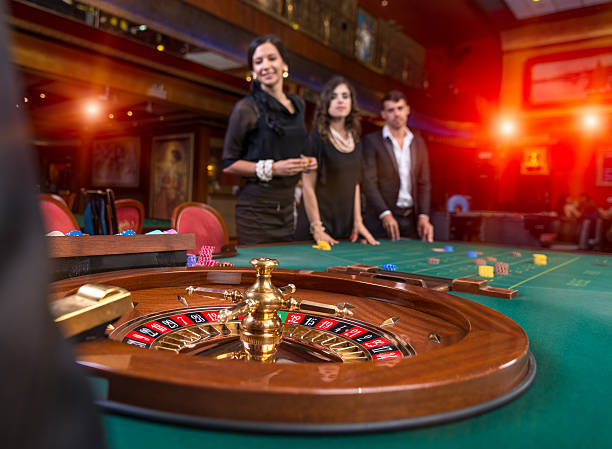
Furthermore, emotional biases can cloud judgment and foster impulsive behavior in gambling scenarios. Players often make decisions based on emotions rather than statistical probabilities, leading to erratic betting patterns. This emotional decision-making can be exacerbated by the environment of a casino, where bright lights, sounds, and social interactions create an exhilarating atmosphere that can distract from rational thought and sound financial judgment.
The Psychological Impact of Winning and Losing
The psychological ramifications of winning and losing at casinos can profoundly affect an individual’s gambling experience and behavior. Winning can lead to a euphoric state known as the „winner’s high,” where the feeling of success enhances mood and reinforces future gambling behavior. This high can create a cycle of gambling, where individuals chase wins in hopes of recapturing that exhilarating feeling, often leading to bigger bets and reckless behavior.
Conversely, losing can trigger a range of negative emotions that may lead to increased gambling as a form of coping mechanism. The loss can result in feelings of frustration, sadness, and even anger, prompting individuals to return to the casino in pursuit of recouping their losses. This behavior is often referred to as chasing losses, which can spiral into compulsive gambling. The inability to accept losses can lead gamblers to make irrational decisions in hopes of turning their luck around, further entrenching them in a cycle of gambling.
Moreover, the psychological effects of prolonged gambling can contribute to the development of gambling disorders. As individuals continue to wager despite negative consequences on their personal, financial, and social lives, they may find themselves trapped in a destructive pattern. Understanding the psychological impact of both winning and losing is essential for recognizing the signs of unhealthy gambling behavior and promoting responsible gambling practices.
The Influence of Casino Design on Behavior
The physical environment of a casino is meticulously designed to optimize the gambling experience and manipulate player behavior. The layout, lighting, and sounds within a casino are engineered to create a sensory overload that keeps players engaged and disoriented. For example, the absence of clocks and windows fosters a feeling of timelessness, encouraging gamblers to lose track of time and extend their play sessions far beyond what they originally intended.
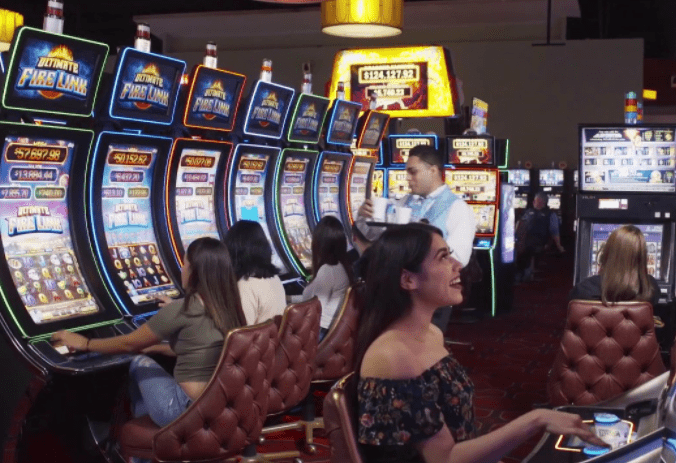
Additionally, the strategic placement of games and machines plays a significant role in consumer behavior. High-traffic areas are often filled with the most popular and visually appealing slot machines to allure players. These designs are not accidental; they are meant to stimulate curiosity and draw individuals towards gameplay, often leading them to make impulsive betting decisions. The sensory stimulation further enhances the excitement, creating an atmosphere that encourages prolonged engagement.
Moreover, themes and rewards in gaming experiences also play a pivotal role. Many casinos employ thematic designs that are emotionally engaging, utilizing bright colors and engaging narratives. These elements not only captivate players but also create an illusion of winning potential that feels attainable. Understanding how casino design influences gambling behavior helps to reveal the psychological tactics that keep players returning even when they may not have intended to spend significant amounts of money.
Finding Balance: Responsible Gambling and Awareness
As the complexities of gambling psychology become clearer, the importance of promoting responsible gambling practices becomes paramount. Awareness and education about the psychological aspects of gambling can equip individuals with the tools they need to engage in responsible betting. By helping gamblers understand the cognitive biases, emotional triggers, and environmental influences at play, stakeholders can encourage healthier attitudes toward gambling.
Moreover, implementing measures such as self-exclusion programs and limit-setting can help individuals manage their gambling habits effectively. Many casinos are beginning to offer resources and support for players who wish to gamble responsibly, including access to counseling and financial literacy programs. By fostering an environment that prioritizes responsible gaming, casinos can contribute to the well-being of their patrons and reduce the prevalence of gambling-related issues.
Lastly, recognizing the signs of problematic gambling is crucial for both individuals and their loved ones. Conversations about gambling habits should be normalized, creating a supportive community where individuals can seek help without stigma. As the understanding of gambling psychology advances, it becomes essential to create an inclusive dialogue that promotes healthy gambling behaviors while addressing the risks associated with this activity.


